
- 6 mins
Precision In our small animal rehabilitation practice, we currently use two piezoelectric extracorporeal shockwave therapy (ESWT) systems: the PiezoWave 2T Vet and the CS Pro Vet.
Because we use both regularly, I’m often asked by clients, veterinarians, interns, and even industry reps how the two systems compare in real clinical settings.
Rather than focusing solely on specifications, this comparison shows how each device performs in everyday use. Both systems have strengths, and both serve different roles in our treatment approach.
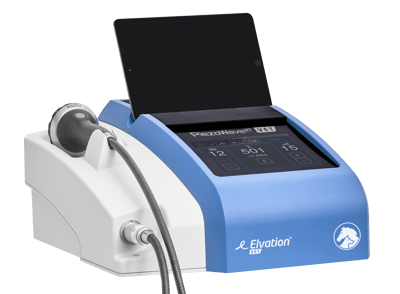 PiezoWave 2T Vet (ELvation Medical)
The PiezoWave 2T Vet is the primary shockwave device we rely on for targeted orthopedic and soft tissue treatments.
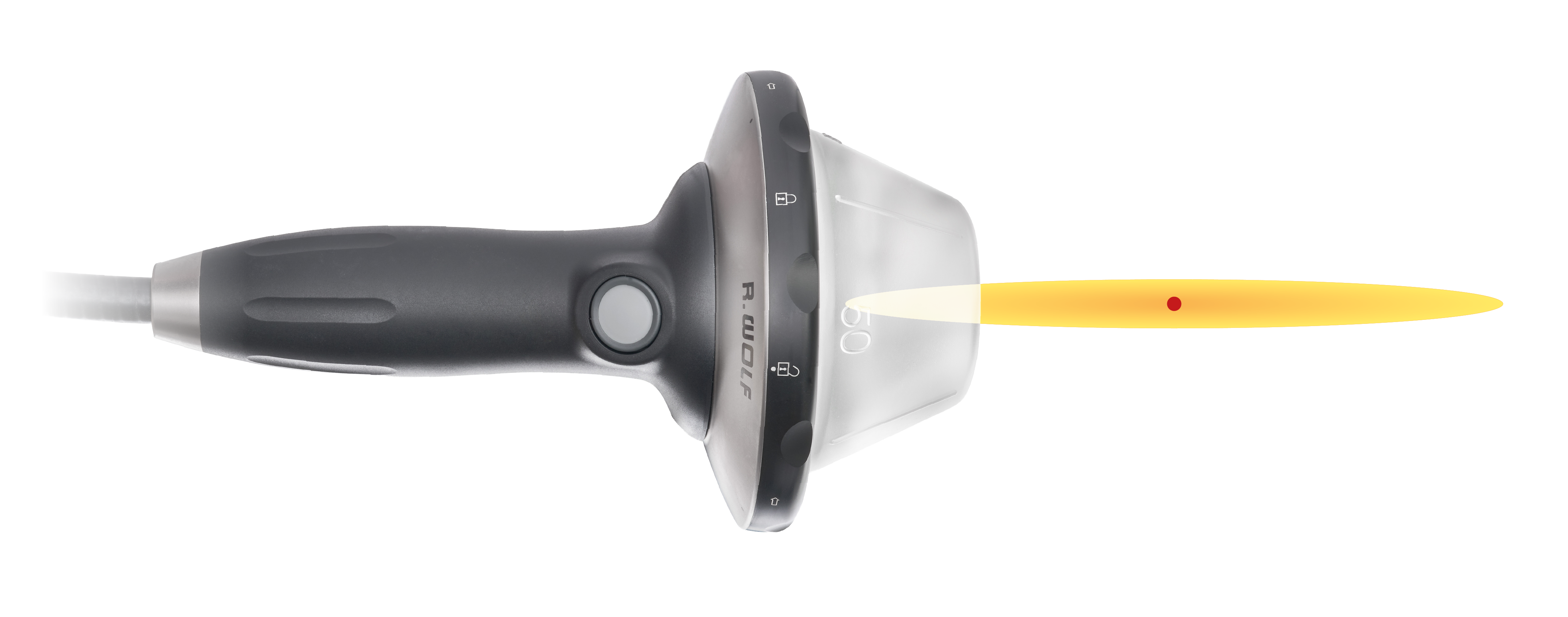
We use two therapy sources with the system: a F7G3 Therapy Source and a Linear Therapy Source, each suited for different clinical situations.
F7G3 Therapy Source: Precision for Tendons and Joints
The F7G3 is my go-to when treating tendinopathies and joint spaces. Its focal zone is extremely precise, which allows us to carefully “hunt” for tissue response and identify the most reactive areas.
One of the most valuable aspects of this therapy source is the ability to work in 5 mm depth increments within a treatment range of 0–30 mm. For small animal patients, this depth control is extremely useful.
It allows us to target different structures within the same joint region intentionally. For example, we may treat the joint capsule at one depth and then adjust slightly to address surrounding soft tissues. Sometimes we use two depths within the same treatment session to create a more three-dimensional therapeutic effect.
The F7G3 is also particularly effective for myofascial trigger points, where precise localization can significantly influence treatment response.
Linear Source: Treating Larger Areas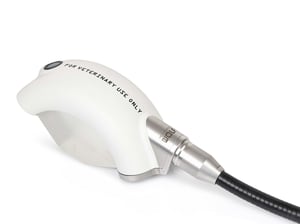
The linear head is ideal when treating broader regions of muscle or fascia.
We often use it for conditions such as:
- General muscle tension
- Myofascial pain syndrome
- Larger soft tissue treatment areas -For example, when working on the cervical region, we might begin with the pinpoint head to address deeper structures such as the facet joints. After that, we transition to the linear head for a more superficial treatment targeting associated muscle pain. This combination approach allows us to address both deep joint pathology and surrounding muscular compensation within the same session.
CS Pro Vet (Curative Sound)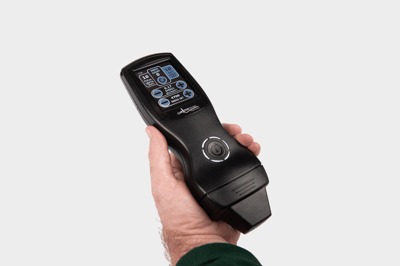
The CS Pro Vet fills a different role in our practice.
Its biggest advantages are portability and patient tolerance.
The device is significantly smaller than the PiezoWave and is battery-operated, which makes it extremely convenient for:
- House calls
- Events or demonstrations
- Facilities where outlets are not easily accessible
Another notable difference is noise level. The CS unit is much quieter, which can make a meaningful difference when working with:
- Cats
- Anxious dogs
- Sound-sensitive patients
In some cases, I will begin treatment with the CS system as a desensitization step before transitioning to the PiezoWave in later sessions, especially when managing chronic tendinopathies.
Depth and Precision Differences
Where the CS system differs most from the PiezoWave is in depth, versatility, and treatment precision.
Beyond 10 mm, depth adjustments occur in 10 mm increments rather than 5 mm, which provides less flexibility when trying to isolate specific tissue layers.
In practice, this difference becomes most noticeable when treating deeper joints, such as the hip.
For more superficial joints, however, the CS performs very well. We see good results when treating areas such as:
- Elbows
- Carpi
- Shoulders
- Hips in smaller patients
It also performs comparably to the PiezoWave when addressing trigger points and superficial soft tissue conditions.
Customer Service and Reliability
At this price point, customer support and service are important considerations.
In our experience, both companies have provided solid support. Our first CS unit stopped functioning within a few months. Because it was under warranty, the company replaced it when repair was not possible.
Elvation Medical has been consistently proactive when it comes to maintenance for the PiezoWave system. When our unit is scheduled for service, they provide a loaner device, which prevents interruptions in patient care. They are also very transparent about maintenance timelines and costs.
In terms of technical support, the responsiveness and educational resources from our PiezoWave representative have been particularly helpful.
The Bottom Line
Both devices play valuable roles in our practice.
If I were choosing one device to handle the widest range of clinical applications, I would choose the PiezoWave 2T Vet because of its precision and depth control.
However, the CS Pro Vet is an excellent complementary tool, especially for:
- Mobile work
- Smaller patients
- Sound-sensitive cases
For practices that value portability or frequently work outside of a traditional clinic setting, having both systems available can provide flexibility while still achieving strong clinical outcomes.
For a deeper dive between the CS Pro and PiezoWave 2T Vet, check our comparison here.
About the Author:
Karyn Fein, DVM, CSCS, CCRT, CVA, CSCC
Founder and Lead Veterinarian, Rocky Mountain Veterinary Rehabilitation
When health options for your pet feel limited or overwhelming, Dr. Karyn Fein offers hope and optimism paired with expert knowledge in animal rehabilitation therapy to begin healing your furry friends. She develops custom treatment plans that integrate Eastern and Western veterinary medicine practices, bringing your pet much-needed pain relief and an improved quality of life.
Dr. Fein leads Rocky Mountain Veterinary Rehabilitation (RMVR) as the ultimate case manager, patient educator, and liaison with your primary and specialty veterinarians, helping you make the best decisions for your family. She believes that caring and effective communications yield the best results. At the end of every RMVR visit, you will have the confidence that your pet is on the road to wellness.
Dr. Fein launched RMVR as one of metro Denver’s first-ever mobile rehabilitation practices after working in emergency and general practice. The practice moved into its current location in October of 2020. Outside of work, Dr. Fein enjoys mountain life with her family (husband Dave, two sons, and dog Gorp).